
BLOG

Helpful Articles

The Vulnerability Trap: Why Getting Angry Is Easier Than Getting Sad
Most couples don't fight because they're angry. They fight because they're hurting. Yet hurt rarely comes out looking like hurt. It often...
More Articles

Navigating Parenthood Without Losing Your Relationship
What does Emotionally Focused Couples Therapy (EFCT) say about how to navigate parenthood without losing a couple’s relationship? From the perspective of EFCT, the challenge of parenthood is not simply balancing time and responsibilities. It is preserving a couple’s secure emotional bond while navigating one of the most demanding transitions…

When the distance seems too far… Can we reach each other again? Relationship Ambivalence – Can Couples Therapy Help?
Couples come to therapy for different reasons, often depending on what stage they are in their relationship. Couples who are new parents juggling the responsibility of parenting along with their careers, home tasks, and a plethora of other miscellaneous life obligations may find that the stress and newness of this…

The Importance of Enactments in Emotionally Focused Couples Therapy
In previous articles, I discussed the negative cycle in relationships that couples co-create and which interferes with emotionally safe, clear, and effective communication. Enactments are the primary mechanism of change in EFT— they transform negative cycles by creating new, emotionally meaningful interactions between partners in real time. Enactments help couples…
Is This Problem Solvable? Gottman Method Vs. Emotionally Focused Couples Therapy View
According to the Gottman Method couples therapy, one of the most normalizing and sometimes worrisome idea for a couple is that not all problems are meant to be solved. John Gottman (www.Gottman.com) is a renowned clinical psychologist and researcher famous for his 50-year study of marital stability and divorce prediction. Co-founder…
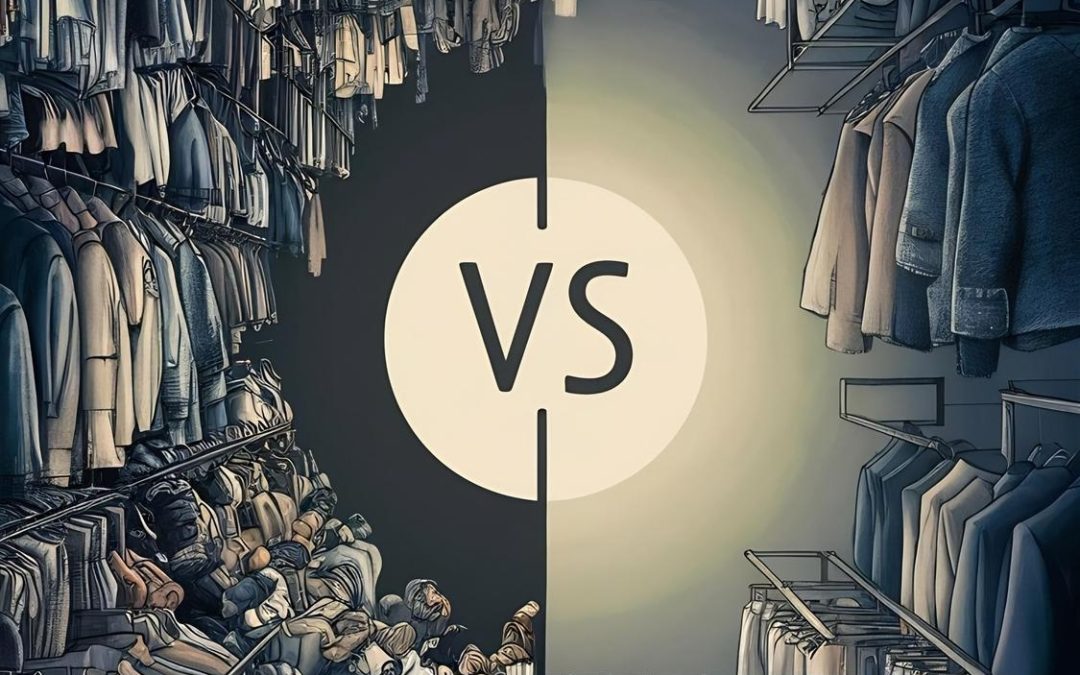
Change is Good…But What Kind of Change Will Improve a Relationship?
In couples therapy, the distinction between “first-order change” and “second-order change” is an important one. The terms come from systems theory and is central in the model of Emotionally Focused Couples Therapy about understanding how lasting transformations happen in relationships. The image in this article of the “before and…
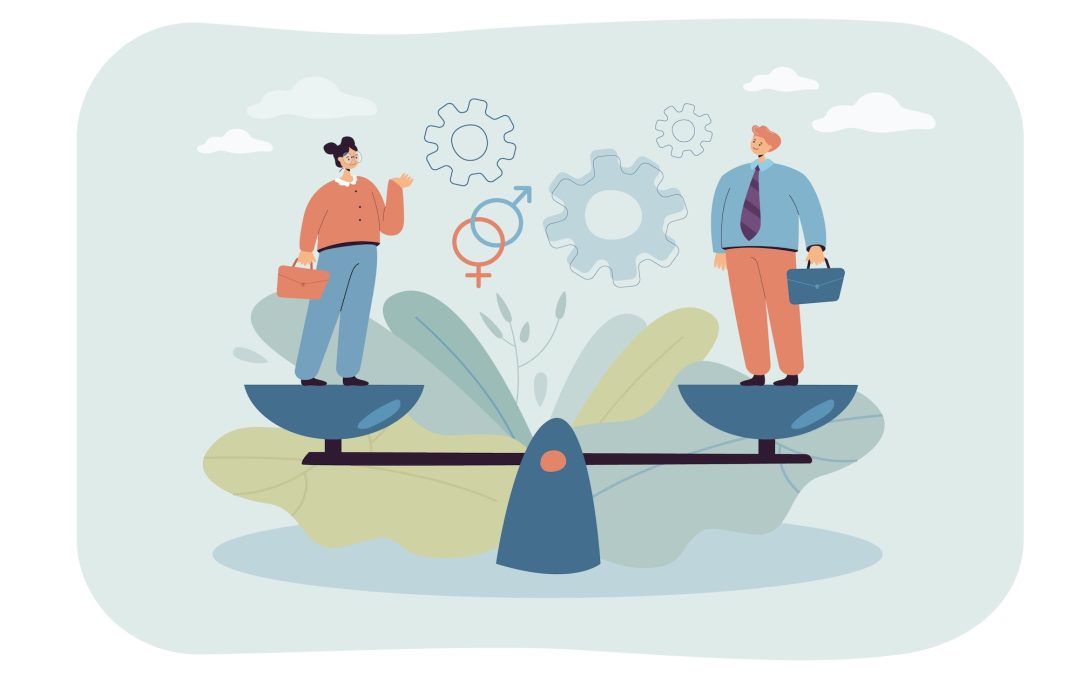
What “Neutrality” Means in Emotionally Focused Couples Therapy (EFCT)
Can a couple really trust that their therapist will not find one partner as the problem in their relationship and target only or primarily this partner for change? In other words, what is the likelihood that one partner – particularly if the sex of the therapist is different from…
Nervous System Physiology: How my nervous system meets your nervous system and shapes emotional regulation, connection, and threat responses
If you think about the last time you and your partner were disagreeing about something that at least in the moment felt very important, what do you recall it felt like in your body? Were you aware that your heart started racing, your breathing became more shallow, your speech was…

Lost in Translation — Intention Versus Impact in Communication
As the model of Emotionally Focused Therapy (EFT) with couples maintains and as skilled EFT trainers have convincingly pointed out, “intention doesn’t convey in the negative cycle.” In other blog articles, I’ve written about the presence of a negative cycle in a couple’s relationship. A negative cycle is a repetitive, negative pattern…

Unpartnered at the Holidays
Understanding What It Means to Be “Unpartnered” — According to the Pew Research Center, the term unpartnered refers to “adults who are neither married nor living with a romantic partner.” It’s another word for “single,” yet it carries a more mature and self-empowered tone—suggesting that being unpartnered can be a…
Getting to Know and Accept the Different Parts of Oneself
Why Self-Acceptance Matters in Marriage and Couples Counseling. We all experience inner conflict and contradiction. From the moment we wake up, one part of us may long to relax while another pushes us toward responsibility. These conflicting parts are normal—and learning to accept them can strengthen not only our personal…

What’s Vulnerability Got to Do With Relationships?
The Role of Vulnerability in Couples Counseling — A lot, actually—especially when it comes to creating and maintaining a strong, healthy connection with your partner. In Emotionally Focused Therapy (EFT), vulnerability is not only encouraged but seen as essential. Vulnerability fosters deeper emotional intimacy, open communication, and healing for couples…

Protest and Protection: Attachment Strategies We Use to Feel Safe and Connected in our Relationship.
When the person we love and are in a committed relationship with seems like he or she hasn’t been showing up for us emotionally lately, we can feel confused and perhaps threatened. If we try to talk about it with our partner, and make bids for attention, time, and connection…
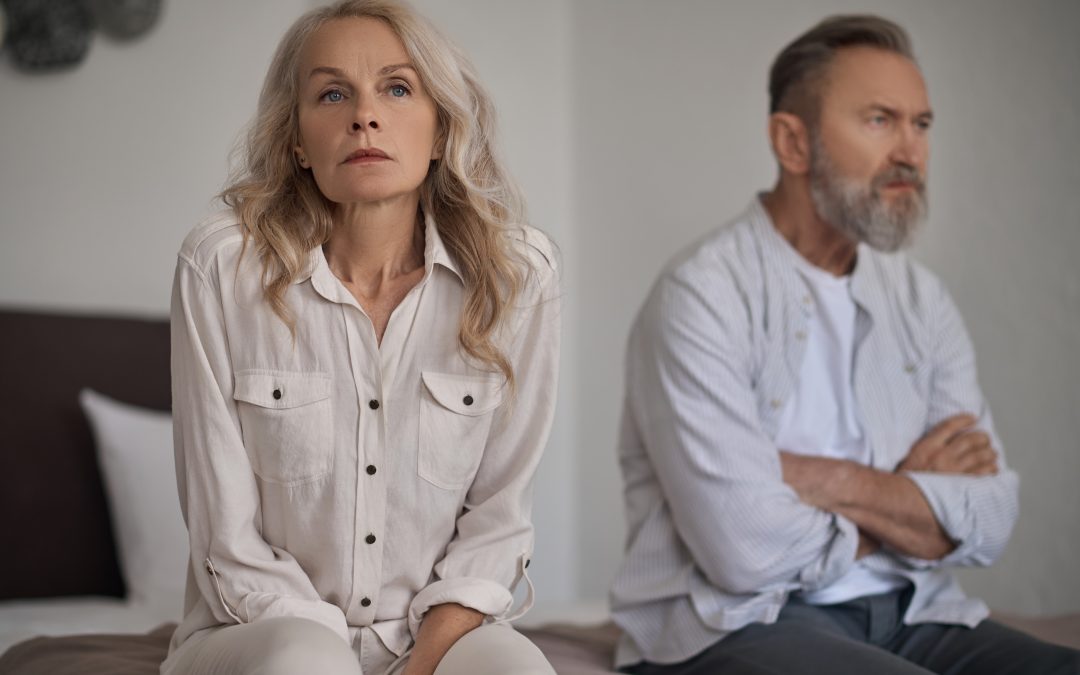
How Do My Partner and I Know If We Need Couples Therapy?
Five Signs That Suggest Couples Counseling Can Be Helpful — It’s not uncommon for couples to take time before deciding to pursue couples therapy. What often prompts this decision is a repeated pattern of interaction that leads to feelings of confusion, frustration, and emotional disconnection. Whether the tension revolves around…

Understanding the Negative Cycle in Relationships: Triggers, Emotions & EFT
What Is a Negative Cycle? In Emotionally Focused Therapy (EFT), a negative cycle is the recurring and often destructive interaction pattern that couples fall into when emotional needs are not being met. Dr. Sue Johnson, the creator of EFT, describes it as an invisible dance—a pattern of moves that partners…

Primary vs. Secondary Emotions in Relationships: What’s the Difference?
Helping Couples Get in Touch with Their Feelings — You may have seen a “How are you feeling today?” poster in a therapist’s office—often featuring expressive cartoon characters or emojis displaying various emotional states. These posters are commonly used to help children recognize their feelings, but the same concept applies…

What to Expect From Your First Couples Therapy Session
Starting the Journey Toward Healing — You’ve scheduled your first couples therapy session—congratulations on taking this important step! As the date approaches, you may find yourself wondering what to expect: It’s completely normal to feel a little nervous. The first session is often the most difficult—but also the most transformative.…

2 Myths About Going to Couples Therapy
Is Our Relationship in Trouble if We’re Considering Couples Therapy? Absolutely not. However, let’s be honest: many people feel an uncomfortable, sneaky suspicion that considering couples therapy means their relationship is in serious trouble. Disagreements and fighting with your partner can be painful and scary. When we hear that a…